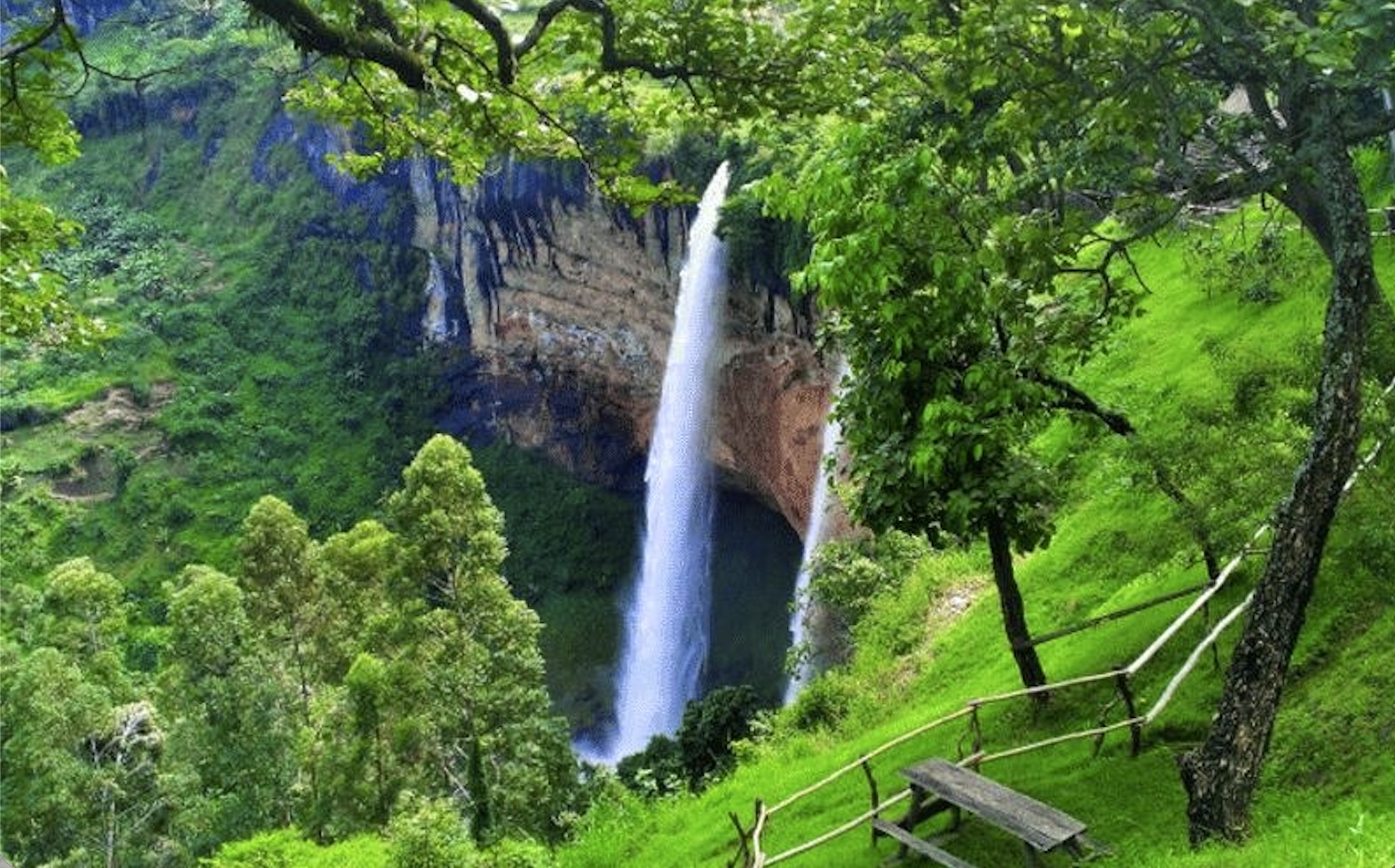
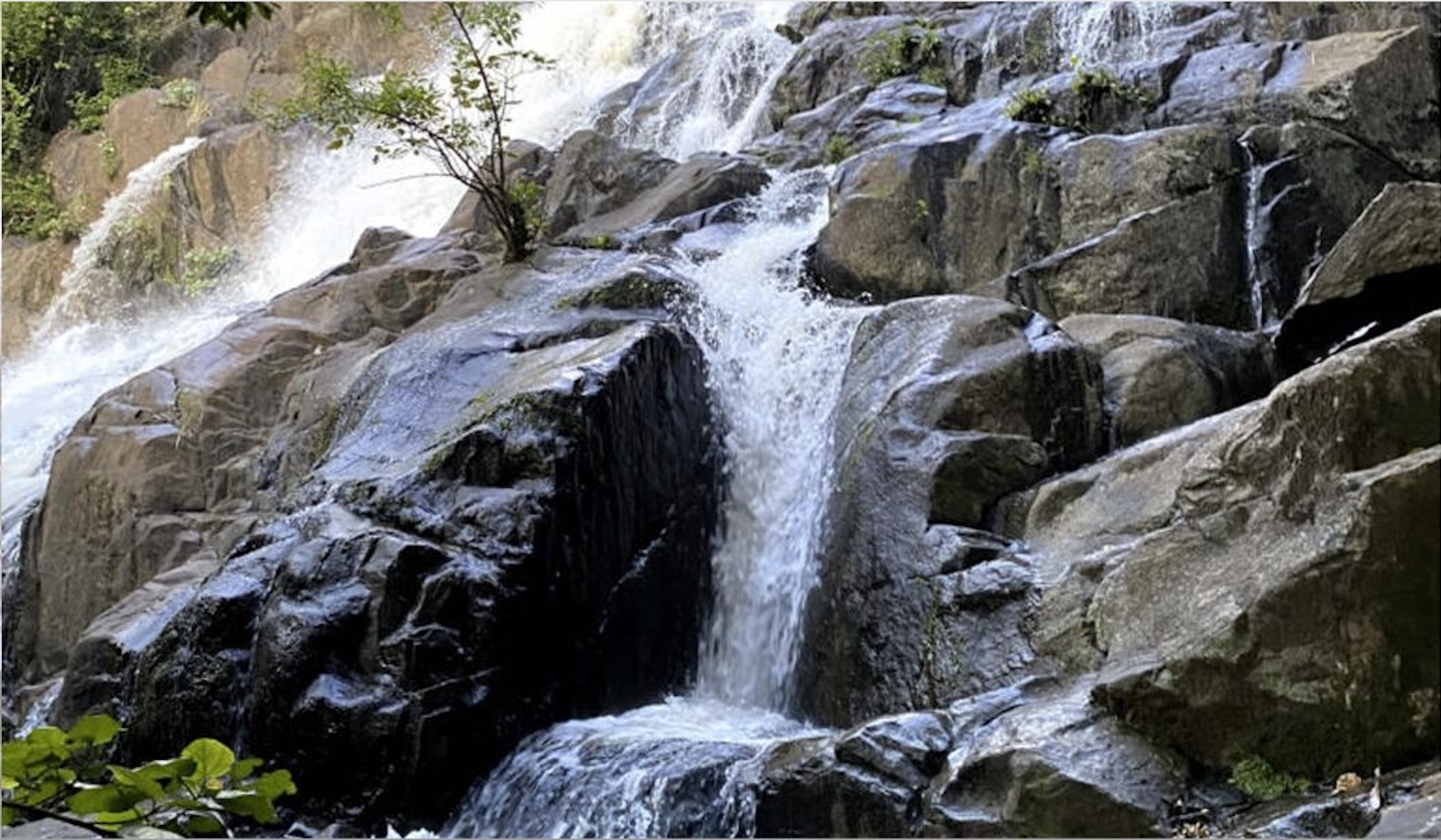
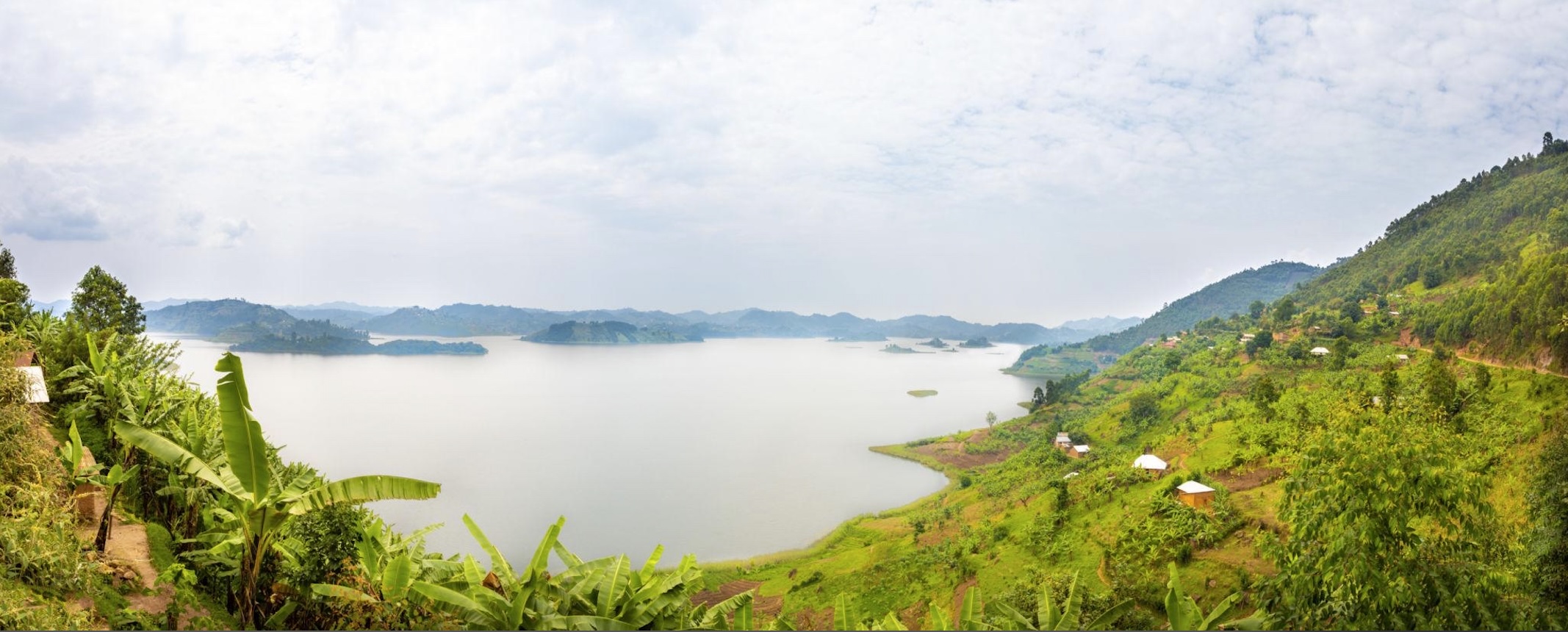
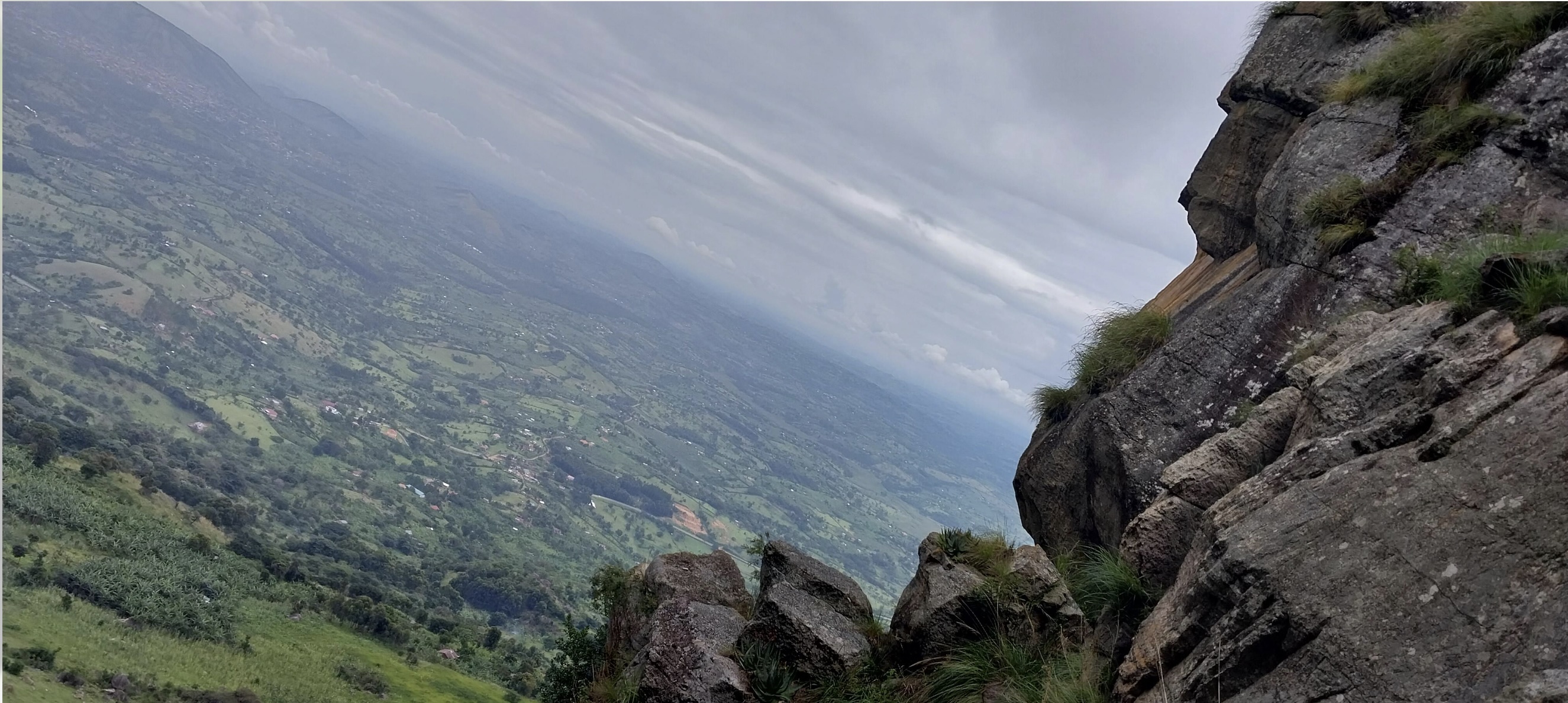
Kitegenda Mpanga Waterfalls, commonly known as Mpanga Falls, are one of the hidden natural attractions in Western Uganda. They are located in Kitagwenda District, along the Mpanga River, not far from the edge of Queen Elizabeth National Park and the Lake George basin.
Overview
The waterfalls drop from a height of about 50 meters, creating a powerful cascade that cuts through a deep gorge surrounded by steep cliffs and dense vegetation.
The area is often referred to as part of the Mpanga River Gorge, a dramatic landscape formed over millions of years by the river flowing from the Rwenzori Mountains toward Lake George.
Unique Features
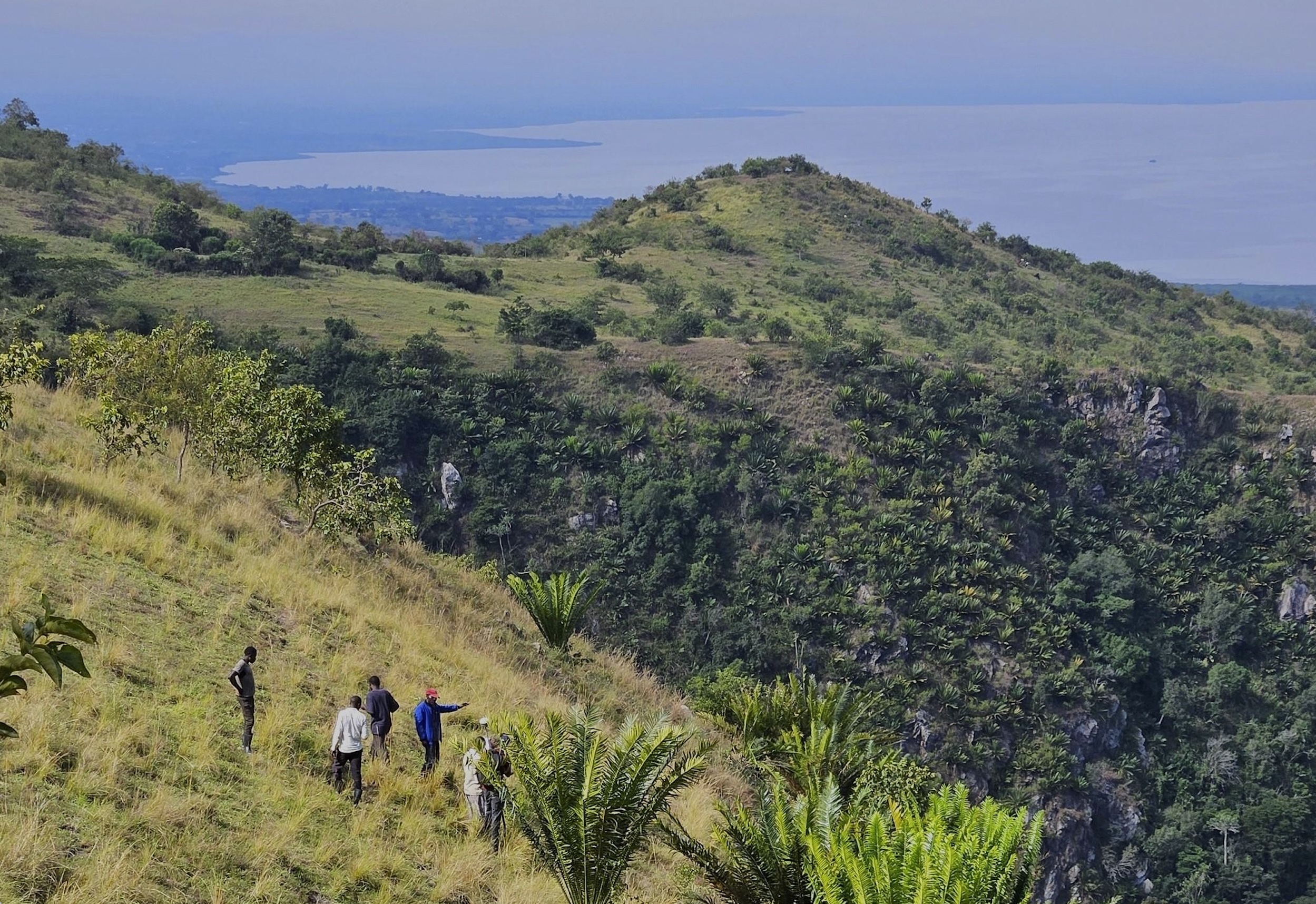
- Rare vegetation: The falls are famous for hosting one of the largest colonies of giant cycads (Encephalartos whitelockii), ancient plants sometimes described as “living fossils.”
- Rich biodiversity: The surrounding forest supports birds like kingfishers and turacos, along with other wildlife.
- Scenic gorge: The steep rocky terrain and misty spray from the falls create a cool micro-climate and striking photo views.
Tourism and Activities
Visitors to Kitegenda Mpanga Waterfalls can engage in:
- Nature walks and hiking along the gorge trails
- Birdwatching in the surrounding forest
- Photography of the falls and landscape
- Cultural interactions with nearby local communities
- Eco-tourism experiences focused on conservation
Access often requires coordination with local guides or authorities due to the remote terrain and conservation sensitivity of the area.
Significance
Beyond its beauty, the Mpanga area is also important for:
- Hydropower generation, with the Mpanga Power Station located nearby
- Environmental conservation efforts, as the ecosystem faces threats from deforestation and river degradation
Summary
Kitegenda Mpanga Waterfalls remain one of Uganda’s lesser-known but highly scenic destinations. The combination of a powerful waterfall, rare prehistoric plant life, and a dramatic gorge makes it a unique site for eco-tourism, research, and adventure in Western Uganda.